
The UAE real estate market continued to build on its strong momentum during the first quarter of 2026, with Abu Dhabi witnessing a sharp rise in residential transactions and Dubai maintaining steady growth through new project launches and sustained investor demand.
According to the latest market report by Colliers, the country's property sector is gradually moving into a more mature and sustainable phase. While the rapid growth seen in recent years is beginning to stabilize, strong economic fundamentals, infrastructure investment, and continued population growth are helping maintain confidence across residential, commercial, and retail segments.
Abu Dhabi Records Strong Growth in Residential Sales
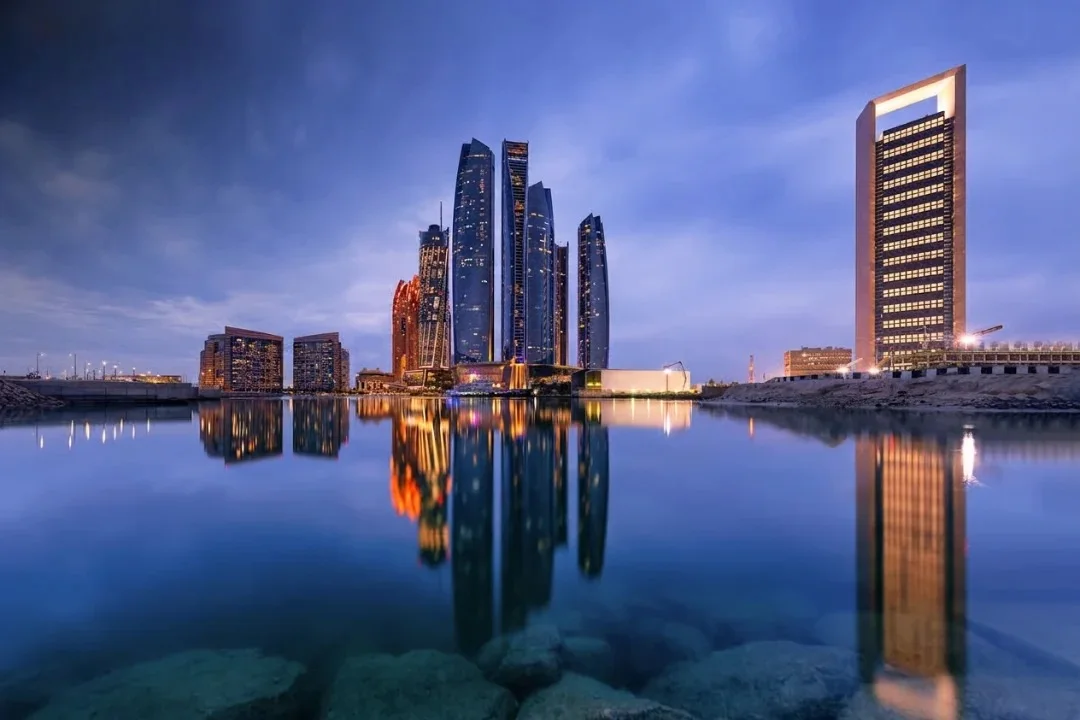
Abu Dhabi emerged as one of the strongest-performing markets during Q1 2026, recording around 7,800 residential transactions across the emirate.
The number of deals increased by 10 percent compared with the previous quarter and jumped an impressive 119 percent year-on-year, highlighting the growing appeal of Abu Dhabi's housing market among both investors and end users.
Property values also continued to rise. Average apartment prices climbed 4 percent quarter-on-quarter and were up 32 percent compared to the same period last year. Villa prices followed a similar trend, increasing 2 percent quarterly and 21 percent annually.
Popular communities such as Yas Island and Al Reef remained among the most sought-after locations, driven by their lifestyle offerings, modern amenities, and strong long-term investment potential.
Office Market Remains Resilient
Abu Dhabi's commercial real estate market also delivered a solid performance during the quarter.
Office occupancy rates remained above 95 percent, reflecting healthy demand from businesses looking for high-quality workspace. Rental rates across various office categories increased between 8 and 20 percent compared with last year.
New developments are helping meet this demand. The completion of Shams Tower on Al Reem Island added fresh office inventory to the market, while upcoming projects including Masdar City Square and The Link are already attracting interest from prospective tenants.
Dubai Enters a More Balanced Growth Phase
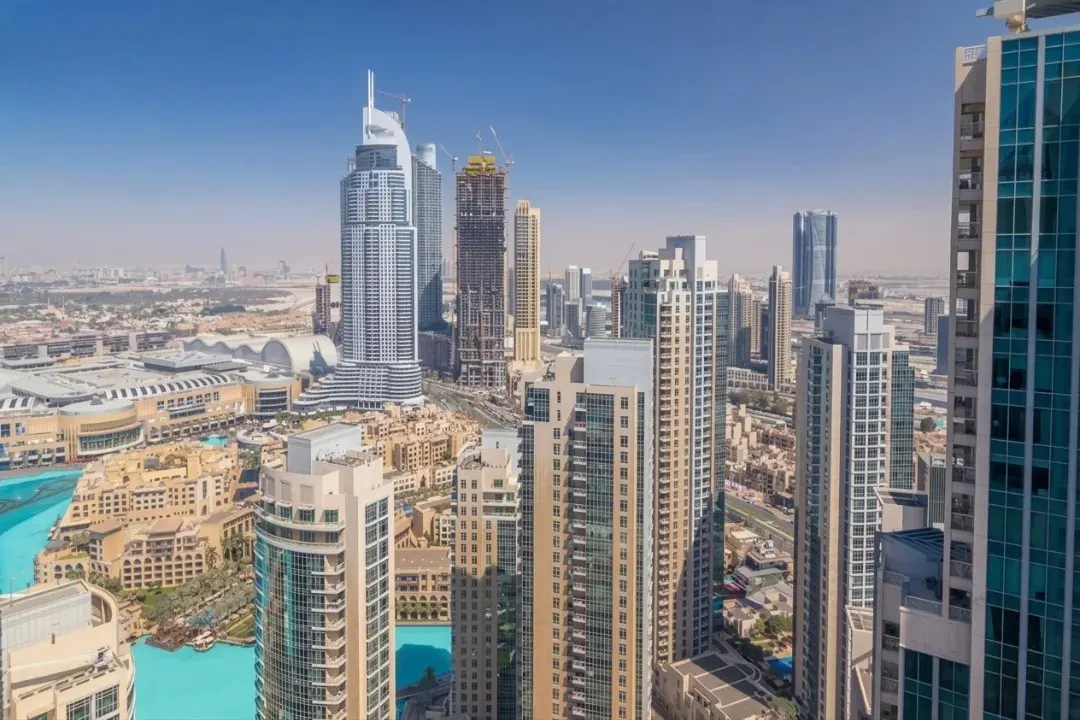
Dubai's property market remained active during Q1 2026, although analysts noted that the market is now evolving into a more balanced and sustainable growth cycle.
Developers continued to deliver new homes at a strong pace. Apartment handovers exceeded 10,000 units for the second consecutive month, while approximately 1,900 villas were completed during the quarter.
The emirate's development pipeline also remains substantial. Around 65,000 apartments and 12,500 villas are expected to be delivered by the end of 2026, although some projects could be completed later depending on construction timelines.
This steady supply is helping the market accommodate growing demand while reducing the risk of overheating.
Rental and Sales Prices Continue to Rise
Dubai's rental market maintained positive momentum throughout the first quarter.
Apartment rents increased by an average of 2 percent compared with the previous quarter, supported largely by continued demand for affordable and mid-market housing.
Villa rental prices remained broadly stable as tenants became more selective and explored a wider range of options available across the city.
On the sales side, transaction activity slowed slightly during March, but prices continued to trend upward. Both off-plan projects and secondary market properties recorded healthy demand, while the office sales segment stood out as one of the strongest performers due to the limited availability of premium Grade A office space.
Northern Emirates Continue Steady Expansion
Beyond Abu Dhabi and Dubai, property markets across the Northern Emirates also recorded stable growth.
Sharjah led the region in new residential launches, adding around 1,700 units during the quarter. Rental prices in Sharjah and Ras Al Khaimah increased modestly, rising between 1 and 2 percent quarter-on-quarter.
Other emirates, including Ajman, Fujairah, and Umm Al Quwain, remained relatively stable with balanced demand and supply conditions.
Meanwhile, Al Ain continued to see gradual improvement. Apartment rents increased by 7 percent year-on-year, while villa rents rose by 2 percent. The city's retail and office markets also remained steady, supported by demand in established commercial districts.
Focus Shifts Toward Sustainable Growth
Industry experts believe the UAE property market is entering a new stage of development where long-term fundamentals matter more than short-term speculation.
Investors and buyers are increasingly focusing on factors such as community infrastructure, quality of developments, accessibility, and lifestyle offerings rather than simply chasing rapid price appreciation.
Economic diversification, ongoing infrastructure projects, population growth, and strong investor confidence continue to provide a solid foundation for the market.
Looking Ahead
The outlook for the UAE real estate sector remains positive as both Abu Dhabi and Dubai continue to attract residents, businesses, and international investors.
With Abu Dhabi experiencing record residential activity and Dubai maintaining a healthy pipeline of projects, the country's property market appears well positioned for sustainable long-term growth.
As the sector matures, experts expect quality developments, strong communities, and occupier demand to become the main drivers of future success, helping reinforce the UAE's position as one of the region's most attractive real estate destinations.