
The economies of the Gulf Cooperation Council (GCC) continue to gain momentum, with the region’s combined Gross Domestic Product (GDP) reaching nearly $2.4 trillion. The milestone highlights the growing strength of Gulf economies and their steady shift away from oil dependence.
According to the latest report released by the Statistical Centre for the Cooperation Council for the Arab States of the Gulf (GCC-Stat) to mark the GCC’s 45th Founding Anniversary, non-oil industries are now playing a leading role in the region’s economic expansion.
The report showed that non-oil activities contributed more than 78 percent of the GCC’s GDP, while the sector grew by 5.3 percent in 2025, underlining the success of diversification strategies adopted across the Gulf over the past decade.
Non-Oil Economy Takes Center Stage
For years, GCC nations have invested heavily in sectors beyond hydrocarbons, including tourism, finance, manufacturing, logistics, technology and renewable energy.
Those efforts are now delivering measurable results.
The non-oil sector has become the backbone of economic growth across the Gulf, helping countries reduce their reliance on energy revenues and build more balanced, sustainable economies.
Governments across the region continue to launch initiatives aimed at attracting foreign investment, encouraging private-sector growth and creating new industries that can support long-term prosperity.
GCC Banking Sector Shows Strong Growth
The Gulf’s banking industry also recorded impressive gains, reflecting strong liquidity and confidence in the region’s financial system.
According to the report:
- Commercial bank assets rose to around $3.9 trillion
- Total bank deposits reached $2.3 trillion
- Bank assets grew by 11.9 percent between 2024 and 2025
- Deposits increased by 10.6 percent during the same period
The steady growth of bank assets and deposits highlights the resilience of the GCC’s financial sector, which continues to benefit from economic expansion, strong capital positions and supportive regulatory frameworks.
Sovereign Wealth Funds Expand Global Influence
The Gulf region’s sovereign wealth funds remain among the most powerful investment institutions in the world.
Combined assets managed by GCC sovereign wealth funds have grown to nearly $5 trillion, representing approximately 30.3 percent of global sovereign wealth fund assets.
This expanding financial influence allows Gulf countries to invest across a wide range of industries and geographies, including:
- Technology and artificial intelligence
- Infrastructure projects
- Healthcare
- Renewable energy
- Real estate
- Global financial markets
The growing scale of these investment funds is reinforcing the GCC’s strategic role in shaping international investment trends.
Trade and Energy Continue to Drive Growth
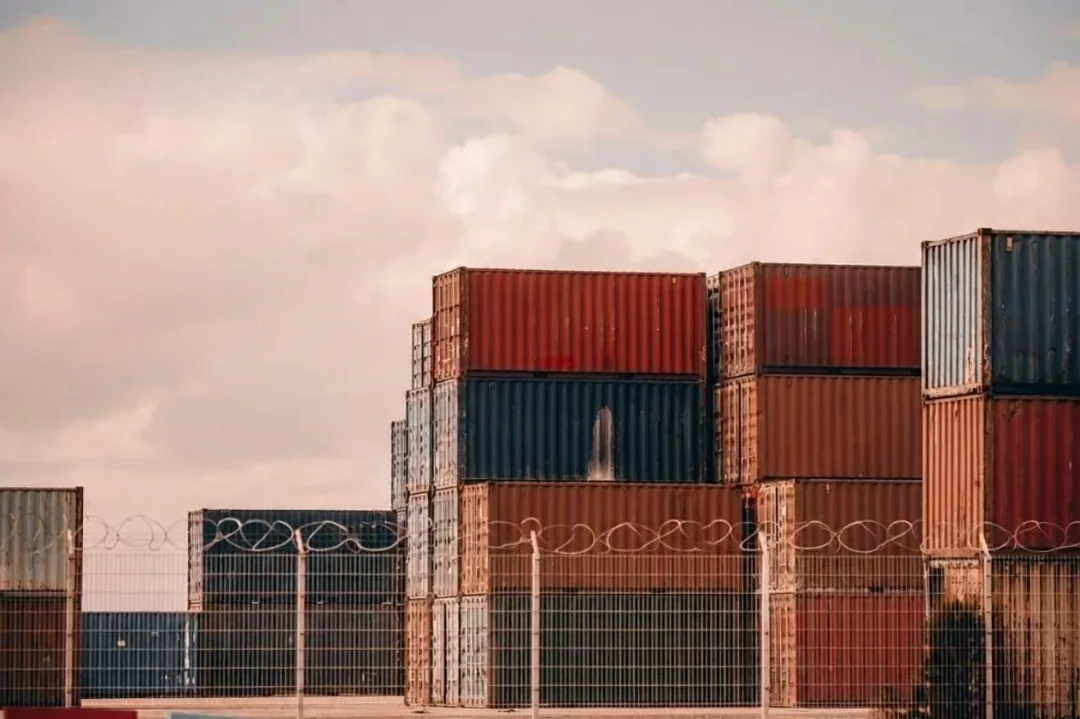
Trade remains a key pillar of the Gulf economy.
The report showed that total trade exchange across GCC countries reached around $1.6 trillion, marking a 7.4 percent increase compared with 2023.
At the same time, commodity exports climbed to nearly $849.6 billion, reflecting the region’s continued importance in global trade and supply chains.
Despite significant diversification progress, energy remains a major contributor to the Gulf economy.
Oil production across GCC countries reached approximately 16.6 million barrels per day, accounting for around 22.2 percent of global crude oil output.
This positions the GCC as one of the world's most influential energy-producing regions, playing a vital role in global energy security.
GCC Improves Its Global Competitiveness
The Gulf region also strengthened its standing in international competitiveness rankings.
According to the report, the GCC ranked:
- 15th globally in overall competitiveness
- 8th globally in tax policy performance
- 11th globally in public finance indicators
The region also posted strong results in areas such as:
- Infrastructure development
- Labor market efficiency
- Government effectiveness
- Business competitiveness
These rankings reflect ongoing reforms aimed at improving the business environment and enhancing economic resilience.
Economic Integration Across the Gulf Continues to Expand
Economic cooperation among GCC member states has grown significantly in recent years.
Trade within the Gulf Common Market reached approximately $146 billion, representing an increase of more than 85 percent compared with 2012.
The report also highlighted strong growth in the corporate sector, with the combined capital of joint-stock companies reaching $549 billion—an increase of nearly 238 percent since 2007.
The figures underline the increasing interconnectedness of Gulf economies and the success of initiatives designed to strengthen regional cooperation.
Tourism and Social Connectivity Gain Momentum
Beyond economic indicators, the report highlighted the growing movement of people and services across GCC countries.
More than 41.4 million Gulf citizens traveled between member states, reflecting stronger social and economic ties within the region.
Education and healthcare cooperation also expanded:
- Around 43,200 students pursued studies in public institutions across neighboring GCC countries.
- Nearly 488,900 citizens benefited from shared healthcare services across the Gulf.
Meanwhile, tourism has emerged as one of the region’s fastest-growing sectors.
Tourism revenues across GCC countries climbed to approximately $132.3 billion, supported by investments in hospitality, entertainment, cultural attractions and international events.
The strong performance reflects the Gulf’s growing appeal as a global tourism destination and its increasing ability to attract visitors from around the world.
Looking Ahead
The latest figures paint a picture of a region undergoing a significant economic transformation.
While oil remains a key pillar of the Gulf economy, non-oil industries are expanding rapidly, financial institutions are strengthening, and regional integration continues to deepen.
With a combined GDP of $2.4 trillion, growing global investment influence and rising competitiveness, the GCC is increasingly positioning itself as one of the world’s most dynamic economic regions.
As diversification efforts continue and new industries emerge, the Gulf appears well placed to sustain growth and strengthen its role in the global economy for years to come.